Background
The Domeject's ReDosa™ syringe addresses 3 typical problem areas of conventional syringes
- Plastic waste: environmental issues and costs of biological waste
- Usage: air bubbles and dosing errors due to dead space
- Use of silicone to reduce friction
Plastic waste in Health care facts
- PLASTIC WASTE in Health Care accounts for approximately 5% of global greenhouse gas emissions. This is more than the aviation industry in total
- COSTS: Reducing single-use plastic is generally expensive since it often contains biological waste, which has to be collected in yellow or blue containers
- POLICIES: In March 2022, a unique
UN mandate was accepted to address the problem of plastic waste. The EU agreed on a European Strategy for plastics. These mandatory political policies provide a framework that healthcare institutions and regions must actively implement to improve care and support our communities.
- Hospitals understand the importance of sustainability and are genuinely committed to reducing the use of single-use plastic products. We recognize the impact this has on our environment, and this creates new market drivers for new innovative products
Now hospitals can reduce syringe plastic waste by 85% . Domejects ReDosa™ Syringe addresses these challenges through its groundbreaking design
Usability of conventional syringes
Silicone oil is used in syringes to lubricate the inner glass or plastic barrel and the rubber plunger stopper, allowing the plunger to move smoothly and reducing the force needed to inject medication
Many conventional syringes are also known for dosing errors related to improper use: Death space and technique
Key Functions of Silicone in Syringes
- Reduces friction, preventing the rubber tip from sticking to the syringes wall
- Lowers injection force to easily push the plunger for improved dosing
- Maintains the seal so that the liquid medicine does not leak or trap air
Risks and Drawbacks
- Protein aggregation: silicone droplets can mix and alter sensitive protein-based drugs
- Inflammation: Released silicone particles may have side effects lie eye inflammation
- Alternative options: expensive silicone free and expensive alternatives are available
Due to the Innovative design of Domejects ReDosa syringe : No silicone is needed and no air is trapped. On top of that, dosing will be easier since the plunger moves much easier
ReDosa™ Project Status
We focused on customer needs and have seen strong interest from procurers in our Innovation Fast Track placement, which helps us bypass tender barriers and accelerate market entry.
Project status
- Patent-pending phase
- We will refine the ReDosa™ Syringe prototype and commence batch production for CE certification and further clinical trials
- We are evolving our business model to meet the growing interest of procurers and users, ensuring we effectively address their needs and seize new opportunities for success
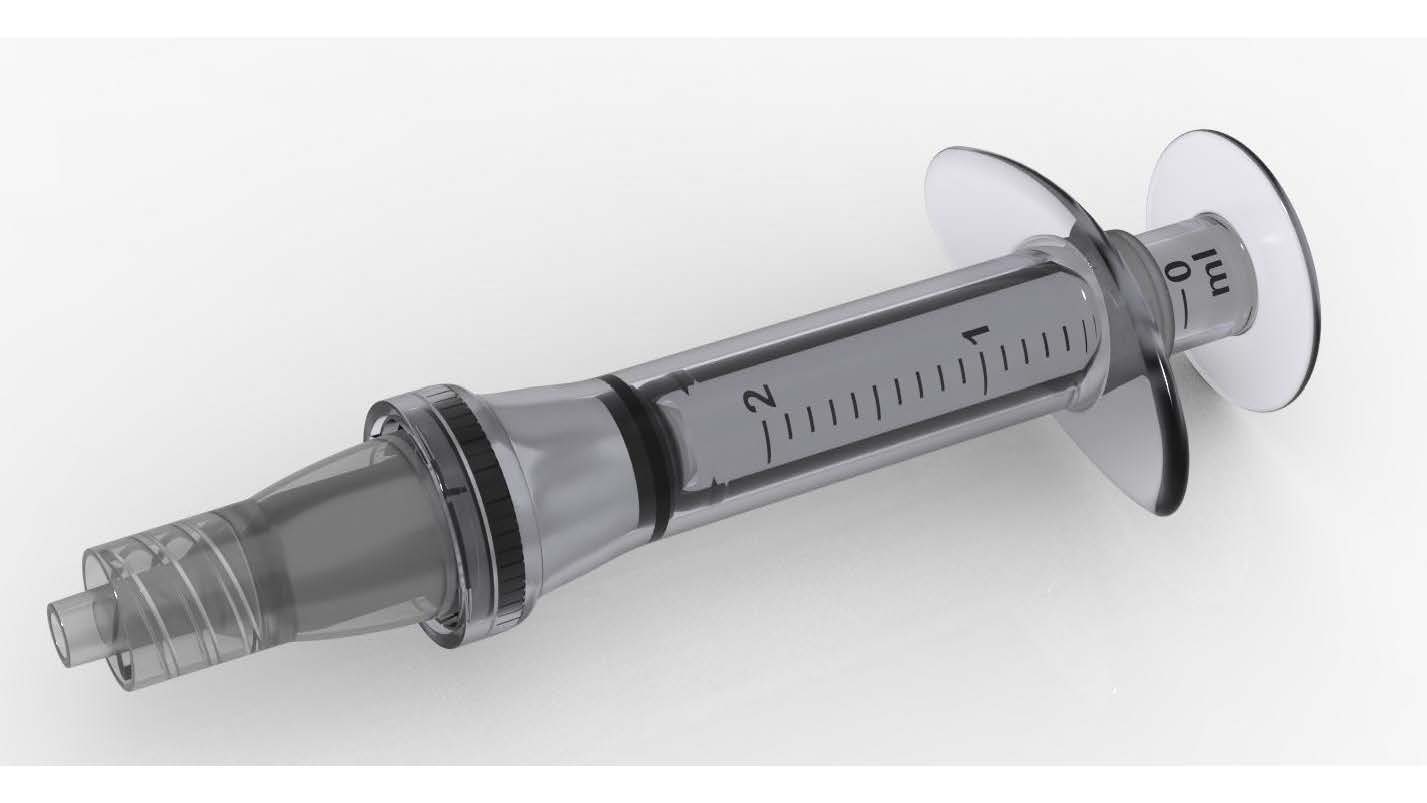
While competitors focus on recycling, Domeject' with the ReDosa™ Syringe is the only player actively engaged in plastic waste reduction!
Interested? Become a partner
Domeject is currently looking for partners to take this unique product to the next level with us